


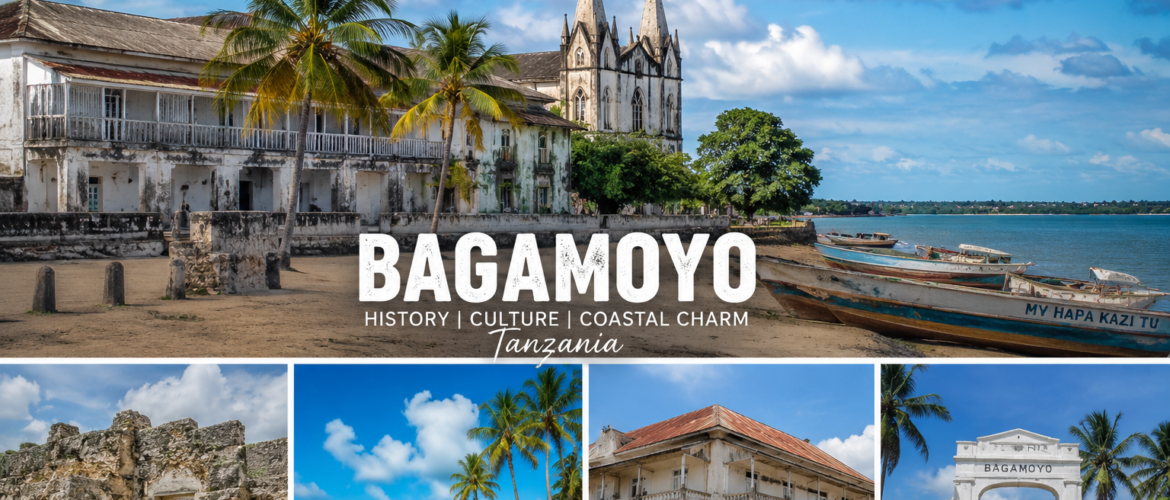
Bagamoyo is one of Tanzania’s most historically significant, most underrated, and most rewarding travel destinations. For a town of its modest size, it offers an extraordinary range of things to see and do — from 13th-century ruins and colonial-era mission churches to vibrant dhow harbours, East Africa’s premier arts festival, and some of the most peaceful Indian Ocean beaches on the continent. Yet most visitors to Tanzania have never heard of it. That is changing in 2026 — and if you want to experience Bagamoyo before it becomes overcrowded, now is exactly the right time. This guide covers 15 of the best things to do in Bagamoyo Tanzania, ordered roughly from historical and cultural experiences to outdoor and food activities
Best Things To Do in Bagamoyo, Tanzania
1. Visit the Kaole Ruins — East Africa’s Oldest Mosque
The Kaole Ruins are Bagamoyo’s most extraordinary historical site and one of the most important archaeological locations in all of East Africa. This 13th-century Shirazi settlement — predating European contact with the region by hundreds of years — contains the remains of a mosque built around 1250 AD, making it one of the oldest mosques in sub-Saharan Africa. The site also includes the ruins of a second mosque, 22 decorated pillar tombs, and the remains of what was once a thriving Indian Ocean trading port.
-
- Located approximately 3 km south of Bagamoyo town, the site is a UNESCO World Heritage candidate. Entry is payable at the site. Allow 1–2 hours for a thorough visit. Bring water and sun protection. → For more detailed historical information, you can read more about the Kaole Ruins here.
2. Explore the Old Boma (German Administrative Building)
The Old Boma is Bagamoyo’s best-preserved colonial structure — a grand two-storey building constructed by German colonial administrators in 1897. Today it houses a small but fascinating museum covering Bagamoyo’s central role in the East African slave trade, David Livingstone’s final journey, the German colonial period, and the town’s modern history. The museum is one of the most informative and sobering historical experiences available to travellers in Tanzania. An entry fee applies.
3. Walk the Historic Bagamoyo Old Town Seafront
The Bagamoyo Old Town is a UNESCO World Heritage candidate site — a collection of 19th-century Swahili, Arab, and Indian merchant buildings lining the Indian Ocean waterfront. Walking the seafront in the early morning or at sunset, with traditional dhow boats anchored offshore and the smell of salt air and spice markets drifting through the streets, is one of the most atmospheric experiences in all of Tanzania. The walk is free and takes 30–60 minutes at a relaxed pace.
4. Visit the Holy Ghost Mission (First Catholic Mission in East Africa)
Founded in 1868 by the Congregation of the Holy Ghost, this mission was the first Catholic mission established in East Africa and a centre for freed slaves in the 19th century. It is famous as the place where David Livingstone’s preserved body rested in 1874 before being transported to Zanzibar and ultimately to Westminster Abbey in London. The chapel, cemetery with historical inscriptions, and small museum are open to visitors. A remarkable, moving, and deeply historical place.
5. See the TaSuBa Arts Complex
The Tanzania School of Fine and Performing Arts (TaSuBa) in Bagamoyo is a nationally important institution for East African art, music, and dance. The school hosts the annual Bagamoyo International Arts Festival every October — a 10-day celebration of traditional and contemporary African performing arts that draws visitors from across the continent and beyond. Even outside festival season, the school’s campus is worth a visit.
6. Watch (or Join) a Dhow Boat Outing
Traditional wooden dhow boats have been the backbone of Indian Ocean trade and fishing for over a thousand years – and they are still actively used by Bagamoyo’s fishing communities today. Watching the dhow fleet leave the harbour at sunrise, or arranging a short dhow trip along the coast, is one of the most memorable things to do in Bagamoyo. Speak to your lodge team or local boatmen near the harbour to arrange a trip.
7. Relax on Bagamoyo Beach
Bagamoyo’s beaches — particularly the town beach near the Yacht Club and the quieter stretches north of town — are genuinely beautiful: white sand, warm Indian Ocean water, and a level of peace and solitude that is increasingly rare on East Africa’s tourist circuit. Unlike Zanzibar’s beaches, which can be crowded with vendors and tourists, Bagamoyo’s beaches remain largely natural and uncrowded. →You can also explore the best beaches in Bagamoyo, Tanzania, for a complete coastal experience.
8. Eat Fresh Swahili Seafood
Eating in Bagamoyo is one of the genuine highlights of any visit. The town’s cooking traditions blend African, Arab, and Indian influences into a distinctive Swahili Coast cuisine: fresh grilled fish with coconut rice, prawn curry with chapati, slow-cooked pilau with tender meat, and freshly made maandazi with spiced chai. For a reliably excellent dining experience in a comfortable setting, the restaurant at Family Ties Inn serves all of these and more for breakfast, lunch, and dinner
9. Visit the Bagamoyo Market
The central market in Bagamoyo town is a sensory experience — colourful produce stalls, fresh catches from the night’s fishing, handmade crafts, and the sounds of Swahili commerce fill the air. Visiting early in the morning (6:00–9:00 AM) is best for fish and produce. The market is also an excellent place to try some of the cheapest and most authentic Swahili street food in Tanzania.
10. Day Trip to Lazy Lagoon Island
A boat ride from the Bagamoyo mainland leads to Lazy Lagoon Island – a small, pristine mangrove island with a luxury lodge, exceptional birdwatching, and a beautiful natural lagoon. Non-guests can visit for a day trip (contact Lazy Lagoon directly to arrange it)—ideal for bird lovers, nature photographers, and those wanting a truly off-grid half-day experience. → For official travel information, you can visit the Tanzania Tourism Board website.
11–15: More Bagamoyo Activities
-
- Kayaking and snorkelling — available through local operators near the beach.
-
- Visit the Bagamoyo Yacht Club — day visitors can use the beach area for a small fee.
-
- Photography walk — the Old Town, the harbour, and the market offer extraordinary street photography opportunities.
-
- Cycling tour — rent a bicycle and explore Bagamoyo’s villages and surrounding coastline.
-
- Sunset dhow cruise — organised by several local operators, it’s a magical way to end a day in Bagamoyo.
How Many Days Do You Need in Bagamoyo?
We recommend a minimum of two full days and two nights in Bagamoyo to visit the main historical sites, enjoy a beach day, and experience the food scene properly. Three or four nights allow a much more relaxed pace—particularly if you want to combine historical visits, beach time, a day trip to Lazy Lagoon, and the evening restaurant and bar scene. Family Ties Inn in Mapinga is the ideal base for exploring all of the above Book a Room at Family Ties Inn
FAQs — Things To Do in Bagamoyo, Tanzania
Q: Is Bagamoyo worth visiting?
A: Absolutely. Bagamoyo is one of Tanzania’s most historically rich and genuinely rewarding travel destinations. Most visitors say they wish they had stayed longer.
Q: When is the best time to visit Bagamoyo?
A: The best time to visit Bagamoyo is June–October (dry season, cool and clear) and December–February (short dry season). Avoid the long rains of March–May and short rains of November if possible.
Q: What is Bagamoyo famous for?
A: Bagamoyo is famous as one of East Africa’s oldest towns, a major node in the 19th-century East African slave trade, the site where David Livingstone’s body was prepared for transport, and the location of the Kaole Ruins — one of the oldest mosques in sub-Saharan Africa.
Q: Is Bagamoyo suitable for a day trip from Dar es Salaam?
A: Yes — Bagamoyo is one of the most popular day trips from Dar es Salaam. The drive takes 60–90 minutes each way. You can comfortably visit the Old Boma, walk the seafront, and have lunch in a single-day trip.
Q: What language do people speak in Bagamoyo?
A: Swahili (Kiswahili) is the primary language in Bagamoyo. English is spoken at most hotels, restaurants, and tourist sites. Many residents also speak Zaramo and other Bantu languages.

Leave A Comment